

Magic Mushrooms Tolerance
Tolerance to a substance can be a very tricky thing – you can build up a tolerance to certain things, like THC, caffeine, nicotine or psilocybin but once you’ve reached a certain consistency it can be difficult to bring it back down. The old adage “Too much of a good thing is never good” is very true for most things, especially when it comes to the things we consume for fun, for relaxation, for energy or for a mental boost. How can you manage your biochemistry and ensure that you’re optimizing your tolerance to the substances you rely on most?
Psychedelic tolerance is a common issue that afflicts many psychonauts. After a while of taking psilocybin or LSD, even the most savvy dosing surfers of the cosmos may begin to build up a tolerance. As your shrooms tolerance begins to increase, you steadily need more and more psilocybin in order to experience the same levels of psychoactive effects. Mushroom tolerance doesn’t necessarily affect people who microdose magic mushrooms for the health benefits, but it is still important to understand how your psilocybin intake needs to be managed in order to derive the most out of these fantastical fungi.
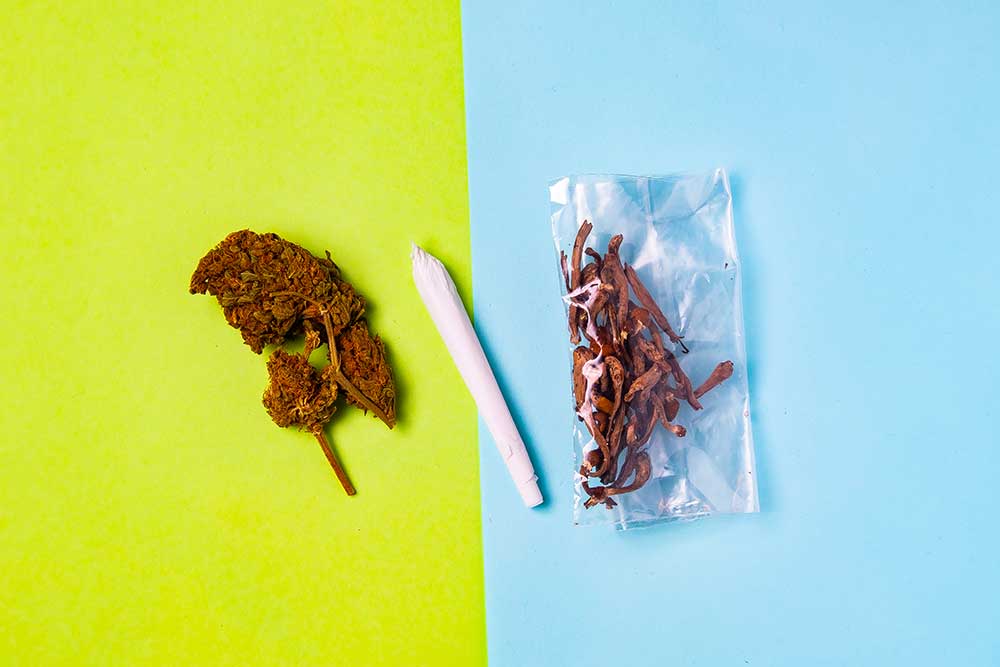
Experienced psilocybin users will likely already know this, but the simplest way to manage your tolerance is to take breaks in between psychedelic trips. Not only is psychedelic scheduling a good practice for maintaining your shroom tolerance, but how much coffee, cannabis, alcohol, cigarettes and even other psychedelics you consume can impact your experiences with psilocybin.
Let’s breakdown the ins and outs of psilocybin tolerance and discuss how to manage your shrooms tolerance.
PSILOCYBIN TOLERANCE
Whether you’re looking to get started with magic mushrooms, or you’ve been dosing psilocybin for years, it is very important to manage the consistency of your doses. Frequency and potency are the major pair of factors that you can control when it comes to mushroom tolerance, but it is much more difficult to manage your psychotropic experiences. Even the most veteran psychedelics users can be surprised by their encounters – sometimes no two psychedelics experiences are alike. With time and consistent use, psychedelics can become somewhat predictable in terms of duration, intensity or even the pattern of psychoactive effects. Nevertheless, it needs to be stated that it is nearly impossible to accurately predict your psychedelic experiences.
Psilocybin tolerance is something that you can maintain, and it starts with a commitment to monitoring your moods, thoughts, feelings, and behaviors. Do you need a mental boost? Been struggling with negative thoughts or feelings? Are you seeking spiritual enlightenment? Magic mushrooms and other psychedelics can jumpstart your brain and alter your consciousness in profound ways. Magic mushrooms have been consumed for thousands of years. Throughout these millenia, psilocybin and other psychedelics like mescaline, ayahuasca and LSD have helped people overcome severe depression, anxiety, personal trauma and even mental disabilities.
There’s a multitude of reasons to consume psilocybin, but how can you be sure that you’re getting the most out of these magical mushrooms? Psilocybin tolerance management can make a significant difference between achieving heightened states of thinking versus hitting a wall of frustration. Just like everyone has unique and personal biochemistries, you can’t apply a “one dose fits all” approach to magic mushrooms. Not everyone has the same requirements for vitamins, essential minerals, protein, carbohydrates or even hydration – so, it stands to reason that individuals and each of their psychedelic experiences should be approached independently.
How does shroom tolerance build up over time? What exactly is mushroom tolerance? When we’re discussing the term ‘tolerance’, we mean your body’s ability to process substances like psilocybin. Just like when you drink a cup of coffee, or smoke a cigarette, or drink a beer, psilocybin is metabolized and processed through your body at a certain rate. Many factors, such as your body mass index (BMI), mental and physical health, hydration and even your genetics can determine how efficiently (or inefficiently) you are able to absorb a particular substance. The more frequently you consume higher doses of a substance, the faster your tolerance will accrue. Simply put, if you don’t manage how much, how quickly and for how long you consume magic mushrooms you might find that you’re requiring exorbitant amounts of psilocybin to achieve similar results.
What is happening in your body as your shrooms tolerance builds up? Simply put, when you consume psilocybin or other mind-altering substances, your body starts working to process these chemicals from your system. Even though they can have certain benefits to our health, substances like caffeine, psilocybin or even cannabinoids are processed through your liver and kidneys at a rate that relates to the dose you ingested. If you consume a lot of magic mushrooms, your body will work harder to filter it from your system and return everything to a state of balance. This idea of regulation is key to understanding how our bodies respond to drugs and other substances that alter our biochemistry.
So, the more you consume, and the more frequent that you consume it, will determine your mushroom tolerance. The frequency and potency of your doses might take some time before you notice diminished effects as your psilocybin tolerance increases, but it will happen eventually. One of the defining reasons why psychedelics users can encounter tolerance build ups is their relationship to serotonin. This important neurochemical is responsible for a range of functions in the brain and body, including mood, sociability, digestion, sleep, memory and even sexual drive. Many psychedelics, including psilocybin, are known serotonin agonists – meaning, they can regulate this regulating neurotransmitter we call serotonin. When you consume psychedelics more frequently than not, you can reduce the density of your brain’s serotonin receptors, therefore decreasing the efficaciousness of future psychedelic trips. Basically, you can water-down psilocybin’s effects on your mind if you take too much of it, too often.
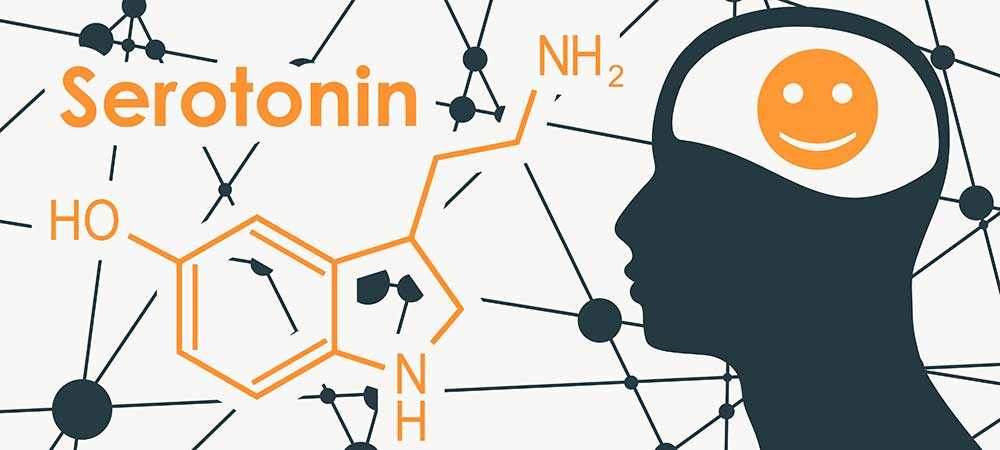
Because many psychedelics affect similar areas of the brain – our 5-HT2A serotonin receptors in particular – sometimes people who consume multiple psychedelics can build up a tolerance for others by taking too much of only one kind. In some cases, people who have consumed large amounts of LSD or mescaline have not been able to capture the same level of psychoactive effects when they ingest magic mushrooms. This idea of cross-tolerance is a more recently discovered phenomenon, but it has affected many people in their exploration of their own consciousness. As always, the real fix to this potential problem of building up tolerances for multiple substances is to simply manage how much you consume, and how frequently.
Although many psychedelics exhibit similar effects across shared portions of the brain and body, other substance tolerances like with cannabis or alcohol are not typically influenced by psilocybin. Nonetheless, it’s important to remember that your overall health, state of mind and fitness will undoubtedly impact your experience with psychedelics, so if you aren’t careful to manage your intake of other mind-altering substances then you might compound the risks of adverse effects (i.e. bad trips, loss of intensity, shortened or diminished psychotropic experiences).
HOW TO MANAGE YOUR TOLERANCE TO SHROOMS
Shrooms tolerance can be a tricky thing to manage, but just as quickly as you can build up your tolerance you can reduce it with some savvy abstinence or microdosing. One of the promising things about psilocybin tolerance is that it will decrease in a short amount of time, whereas tolerances to caffeine, nicotine or even alcohol can take a lot longer to diminish. As long as you’re managing your dependency on psilocybin, you likely won’t develop a noticeable tolerance. Typically, users experience diminished psychoactive effects when they’re consuming magic mushrooms more than 3-4 times per week. This might sound like a lot, even to some psychonauts, and so it should – on average, consistent psychedelics users will go 5+ days, if not weeks between shroom trips.
How often you dose psilocybin will depend on your personal need, your health and your goals with psychedelics, but remember that the more often you consume shrooms the more likely you are to build up a tolerance. “Everything in moderation” is a common motto, and it definitely applies to psychedelics like magic mushrooms.
As we’ve mentioned, mushroom tolerance is prominently dependent on two factors: dose frequency and psilocybin potency. To achieve a stable shrooms tolerance means maintaining balance – not too much, not too infrequent, just the right amount of psilocybin that fits your needs. A simple matrix to work with is something we call the quality-consistency principle. When you are seeking a certain quality of psychedelics experiences, such as spiritual enlightenment or epiphanic visions, then you will want to maintain a certain potency of dose. This might mean a higher dose of psilocybin, but how you can balance this more potent measure is to consume shrooms less often. On the flip side, the consistency principle focuses on taking very frequent, measured doses in order to achieve a certain range of health benefits such as a calmer mind, balanced emotions or to reduce chronic headaches. This idea highlights frequency over potency, and is more in line with the ideals of microdosing magic mushrooms.
Bringing these core concepts together, it is a good idea to balance the quality (potency) of your doses in addition to the consistency (frequency) in order to achieve a level of equilibrium that is right for you. There’s no average formula for psilocybin use, but there are guidelines you can work with in order to determine your ideal range of dosage and its schedule. Balance is key, but if you feel that you’d be better suited to a large but infrequent dose of psilocybin, that is completely up to you. Conversely, some psychonauts begin taking psychedelics in moderate amounts but slowly work their way backwards until it becomes more of a supplementary thing. Both of these are fine examples of consuming magic mushrooms, and in the end it all depends on your personal needs and wants with psychedelics.
A few additionally important things to remember about maintaining your shroom tolerance:

- Grant yourself at least a few days between each psychedelic trip
- Tripping too often, even if you’re managing a lower dose, can waterdown the positive effects of psilocybin
- Consuming psychedelics too often, or in greater amounts than you’re used to, can lead to addictive tendencies
- Psychedelics are not like typically addictive substances (alcohol, nicotine), but you can become overly dependent on their influences, which in turn increases your mushroom tolerance, leading you to consume more and more
- When your shrooms tolerance has built up, your first reaction to the reduced effects will be to take more – fight this urge, be patient and wait a few days to a week and try again
- Also, changing up the psilocybin profile (sampling different species of psilocybe mushrooms) can sometimes help you to overcome built up psilocybin tolerance
- Be very careful when trying new kinds of psilocybin for the first time, and always remember to start low, and go slow.
YOUR TOLERANCE, YOUR EXPERIENCE
It can be difficult to resist the urge to take a significant amount of psilocybin, especially if it’s been a while or if you’ve recently suffered some negative experiences or health issues. Magic mushrooms can be a profoundly positive influence on your mental and physical health, but this also means that you’re going to have to manage how much you consume and how often. Always remember that saying, no matter how annoying it can seem – “Too much of a good thing is not good at all” – and you’ll find that your psilocybin tolerance will never become an issue.
Patience, consistency, commitment and paying close attention to what your mind & body are telling you are crucial to optimizing your experience with magic mushrooms. For more information on how magic mushrooms can change your life for the better, check out Shroomz.cc and their lab-tested, quality-assured psilocybin products.
FREQUENTLY ASKED QUESTIONS:
Do mushrooms have a tolerance?
When you consume magic mushrooms, you can develop a tolerance to them if you’re not carefully managing how much you are taking, and how often. Your dose frequency and potency will depend on your goals with psilocybin, such as if you’re microdosing versus seeking psychedelic experiences.
Can you build a tolerance to psilocybin?
Yes, you can develop a tolerance to magic mushrooms if you take them too often, in substantial amounts. To avoid building up a high tolerance too quickly, be sure to balance the frequency and potency of your psilocybin doses.
How many mushrooms should you take your first time?
The ideal dose is largely dependent on your personal experience with psilocybin, your health needs, the species of fungi you’re consuming and their psilocybin potency. Always be sure to start low and go slow and seek out the advice of medical professionals or experienced psychedelics users before ingesting magic mushrooms – each case for psilocybin dosage can be unique to each individual and needs to be planned and well thought out.
How quickly does mushroom tolerance build?
Mushroom tolerance can develop quite quickly if you’re not managing your dose frequency or the potency of psilocybin you’re taking. However, just as quickly as your tolerance can build, you can reduce it by abstaining from magic mushrooms for a period of days-weeks. How fast or slow your tolerance builds up or down will depend on your personal biochemistry, but generally speaking you can diminish your tolerance by separating your psilocybin trips by several days or weeks.
